La Habra Ridge Cap Repair is a free referral service. We connect callers with independent local roofing professionals. The ridge cap is the line that finishes your roof at its highest point, and in La Habra it lives a hard life: Santa Ana winds prying at its edges, long Orange County summers baking cap shingles brittle, and hillside homes catching gusts that sheltered streets never feel. Homeowners call when a cap shingle turns up in the yard after a windy night, when ridge tiles on a tile roof start to shift, or when a ceiling stain appears under the peak after wind-driven rain. Call, describe what you are seeing along the top of your roof, and we connect you with a local professional who can walk the ridge, explain its condition plainly, and set out the next step.
Santa Ana winds been through?Lifted, cracked, or missing cap pieces along the peak are the usual first signs afterward.
Cap shingles curling in the heat?Years of OC sun dry the ridge line out faster than the shaded slopes below it.
The short answer
What is ridge cap repair, and when does a La Habra roof need it?
Ridge cap repair is the focused work of putting the peak of a pitched roof right again: reseating or renewing loose, cracked, or missing cap shingles, re-bedding and securing ridge tiles on tile roofs, and making sure the line where two slopes meet sheds water and resists wind along its whole length. It sounds like a small job, and sometimes it is — but the ridge is also the roof's most exposed line, the place where weather from two directions arrives at one seam, so small failures there carry outsized consequences below.
Most calls begin with something spotted from the ground or found in the yard. A cap shingle lying by the driveway after a Santa Ana night. A ridge tile sitting at a slight angle that was not there last season. A faint ceiling line in the bedroom under the peak. Each of those points to a conversation about the ridge itself, which is the ground covered by ridge cap repair, while a ridge line aged along its entire length belongs more to ridge cap replacement. Sorting out which situation you have takes about a minute on the first call.
When you call, expect questions about the roof you have — shingle or tile, its rough age, and what changed — rather than a script. From there, we connect you with an independent local roofing professional. Your provider walks the ridge, checks the hips and the slopes just below the peak, looks in the attic for signs of water at the top, and explains what they found in plain language. Any decision about going ahead is made directly with your provider, with that information in hand. Nothing is repaired, ordered, or agreed to on the first call.
Services
Roofing help you can be connected with in La Habra
The ridge line is the focus here, but a peak never fails in isolation. These are the services La Habra homeowners most often ask to be connected with — from a single loose cap section to the urgent call when wind has opened the top of the roof.
Ridge Cap Repair
The core service: finding why the peak is letting weather in or letting pieces go, and putting that section right — cap shingles reseated or renewed, ridge tiles re-bedded and secured, seals and fixings restored so the line sheds water cleanly again. A focused ridge cap repair is the right conversation when the problem is real but limited: one wind-worked section, a few cracked caps, a short run of crumbling bedding on a tile roof. The visit covers the whole ridge, though, because the piece that failed is rarely the only one aging.
When the whole line has aged — caps curled or cracked from end to end, bedding crumbled along the full peak — renewing the entire ridge is the honest job. Ridge cap replacement rebuilds the peak as one new line, matched to the roof below it.
Hip roofs carry sloped ridges running down every corner, and each hip line ages the same way the main peak does. Hip and ridge repair covers those angled lines and the junctions where hips climb into the ridge.
A stain under the peak often starts at the ridge, but water travels before it shows. Roof leak repair traces the entry properly — ridge, hip, flashing, or vent — and fixes the source rather than the symptom on the ceiling.
Sometimes the right first step is simply a documented look: ridge, hips, slopes, flashing, and attic, read together and explained without a repair agenda attached. A roof inspection suits homeowners after a Santa Ana event, before a purchase, or when nobody actually knows how old the ridge line is. You come away knowing the condition of the peak and the slopes in plain terms, and what, if anything, deserves attention first — useful whether the answer is a small repair soon or nothing at all for now.
Wind that takes cap pieces off overnight, a ridge tile through the slope below, water coming through under the peak while rain is still falling — some calls cannot wait for a quiet week. Emergency roof repair help is one call away, day or night.
Ridge problems rarely arrive all at once — the peak sends warnings first, usually after a windy night or during the height of summer. If two or more of these sound familiar, it is worth talking through ridge cap repair before the next Santa Ana event does the testing for you.
Cap pieces in the yard
A shingle or tile fragment on the ground after wind means the peak has an opening or a section ready to follow it.
A ridge line that looks uneven
Caps sitting at odd angles, a peak that waves instead of running straight, or ridge tiles visibly shifted from their line.
A stain under the peak
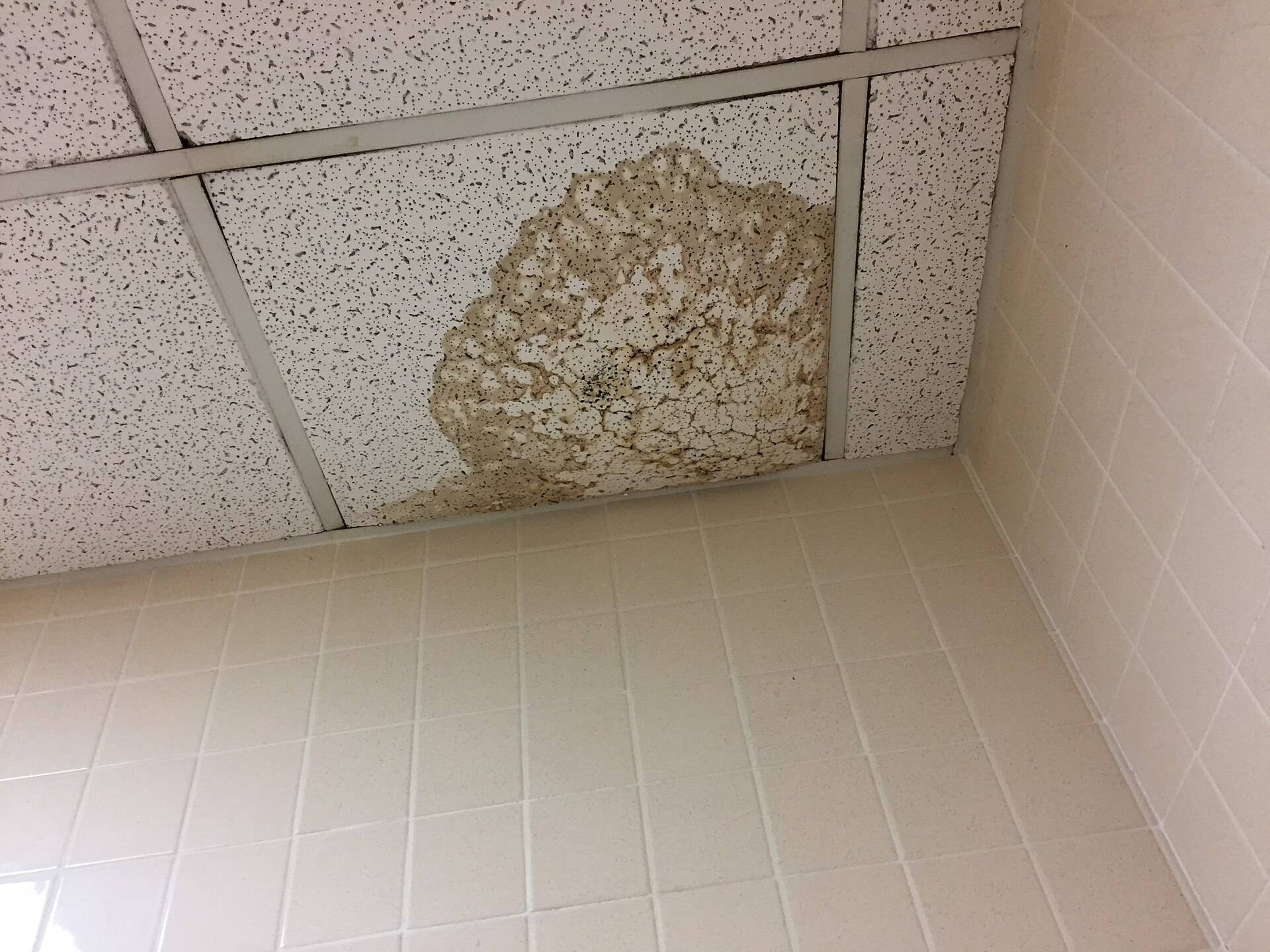
A ceiling mark high in the house that darkens after wind-driven rain points uphill, toward the ridge or a hip junction.
Curling, cracked cap shingles
The ridge bakes in full sun all day, so cap shingles often curl and split years before the shaded slopes below them give up.
Crumbling bedding under ridge tiles
Mortar dust or chunks in the gutter, and tiles that rock when the wind works at them, mean the bedding has reached its end.
A peak nobody can date
If nobody knows when the ridge was last renewed, a documented look replaces guesswork before you plan around it.
Any single sign can have a small cause, which is exactly why a proper look along the whole line beats guessing from the driveway. If pieces are off, a tile has fallen, or water is actively coming in under the peak, skip the deliberation and go straight to emergency roof repair. Otherwise, a conversation about what your ridge actually needs — a section repaired, or the line renewed — starts with a phone call and leaves you with real information.
In-depth guide
Why ridge lines struggle in La Habra — and what good repair does about it
A roof in La Habra does its hardest work at the top. The city sits in northern Orange County, where inland heat builds through summer, Santa Ana winds pour down from the canyons in fall and winter, and many homes climb the hills along the city's northern edge. Every one of those conditions lands first and hardest on the ridge line. Understanding what your peak is up against — and what a proper repair does about each part of it — makes the choices in front of you much clearer.
Wind lift, sun aging, and hillside exposure: the three pressures
Santa Ana winds are the ridge's episodic test. Dry, fast air arrives from the northeast, accelerates over the hills, and gets under any cap edge that has already lifted a fraction. A cap shingle does not need to be loose to be at risk — it needs only a curled corner and a strong gust arriving at the right angle. Hillside streets in the northern parts of the city, where homes sit open to that flow, see ridge damage that flat, sheltered blocks a mile away escape entirely.
Sun is the slow, constant pressure. The ridge is the one line on the roof that faces the sky all day, every day, with no shade break on either slope at midday. Cap shingles dry out, lose their flexibility, and crack along the bend where they fold over the peak — the bend being exactly where strength matters most. On tile roofs, the same heat and the dry seasons that come with it shrink and crack the mortar bedding that holds ridge tiles, a little more each year.
Heat cycling ties the two together. La Habra days can swing from cool mornings to hot afternoons, and the ridge expands, contracts, and flexes through every swing. Fixings loosen a fraction at a time, seals fatigue, and bedding joints open. None of this is visible from the street until a piece moves — which is why ridge condition is so often a surprise, and why reading the line up close changes the conversation from guessing to facts.
Good to know
After any Santa Ana event strong enough to scatter patio furniture, a slow look from the ground tells you plenty: a peak line that no longer runs straight, caps at odd angles, debris in the gutters below the ridge ends. Note the date and what you saw — that short record genuinely helps your provider know where to look first.
How a proper ridge repair actually works
Good ridge work is a short sequence, and each step exists because of a failure seen before:
Read the whole line: the professional walks the full ridge and every hip, not just the failed piece, because neighboring caps of the same age are usually close behind.
Remove what has failed: cracked, curled, or loose caps come off, and on tile roofs the crumbled bedding is cleared back to a sound base.
Check what sits underneath: the ridge board area, underlayment at the peak, and the top courses of both slopes are checked for water marks or softness.
Fit the new section: cap shingles are bent, aligned, and fixed to pattern, or ridge tiles are re-bedded and secured so the line sits straight and sheds water both ways.
Finish the junctions: where hips meet the ridge and where the line ends at gables, the details are sealed and checked, because junctions are where ridge leaks usually begin.
That sequence is what separates a ridge repair that holds through the next wind season from one that merely looks tidy in a photograph. The caps themselves are the visible finish; the bedding, fixings, and junctions underneath decide how the line behaves in the tenth Santa Ana event, not the first calm week. For hip-roofed homes, where several angled lines climb into the peak, the dedicated page on hip and ridge repair explains how those extra lines change the picture.
What happens after the repair
Once the line is put right, your provider walks the finished work with you: which sections were renewed, what the rest of the ridge looks like, and what simple watching it asks for — mainly a ground-level look after strong winds and a note of anything that shifts. You should come away knowing the state of the whole peak, not just the repaired piece, so the next decision about your roof starts from knowledge rather than from the next surprise in the yard.
Watch out
Be cautious of any firm figure given before the ridge has been walked and the bedding or fixings checked up close. How much of the line has aged, and what the peak looks like underneath the caps, both change the real shape of the job, and a number offered from the street can move a long way once someone is actually on the roof. Your provider can discuss costs with you directly once the ridge has been looked at properly.
How it works
How it works, from first call to a sound ridge line
Four simple steps, and you stay in control of every decision that involves your home and your money.
1
Call and describe your peak
Call (562) 588-0940 and talk through what you have: shingle or tile, what you found in the yard or saw along the ridge, and whether your home sits on an open hillside or a sheltered street.
2
We connect you with a local professional
Based on your situation and your part of La Habra, we match your request with an independent local roofing professional, and your provider arranges the visit and talks through what happens next.
3
Your provider walks the ridge
Your provider reads the full ridge line and hips, checks the attic at the top for water signs, and lays out the realistic options — a focused repair or a renewed line — in plain language.
4
You decide before any work begins
You choose whether and when to go ahead, and your provider carries out the ridge work you agreed on. No work begins on your roof until you have approved it with your provider.
To be clear about how this service works: La Habra Ridge Cap Repair is a free referral service. We connect callers with independent local roofing professionals. When you call, we connect you with an independent local roofing professional — we do not repair roofs ourselves. The professionals callers are connected with measure, advise, and carry out any ridge work you later decide to have done.
Why timing matters
Why a tired ridge line rarely improves with waiting
A ridge problem does not pause while you think about it. The sun keeps baking the caps at the bend every clear day, and each Santa Ana event re-tests every edge the last one loosened. A lifted cap that let in a little wind-driven rain lets in more once the underlayment beneath it has been wetted and dried a dozen times, and a ridge tile rocking in cracked bedding works itself looser with every gust. The peak is a small line, but it sits over everything.
What grows quietly is everything below that line. Water entering at the top travels down the underside of the decking and along rafters, so by the time a ceiling shows it, the wetting may have been happening for a season. Decking at the peak softens, which loosens the very fixings the ridge depends on in high wind. A ridge that might have taken a planned section repair in a calm month can become a wind-season emergency in a single night — the same job, on a worse timeline, with interior damage added.
None of that is a reason to rush into a decision today. It is a reason to get the information early, while the choice is still yours: have the ridge walked and its condition explained, learn what a repair or a renewed line would involve on your roof, and then decide on your own schedule. If the news is that your peak has honest years left in it, you have lost nothing but a phone call. If pieces are already off or water is coming in, do not wait — see the emergency roof repair page and call straight away.
Cost factors
What affects the cost of ridge cap repair
There is no honest single figure for this work, because the job is shaped by how much of the line has aged and what is found underneath the caps. These are the factors that shape it — providers discuss costs directly with you after the ridge has been walked, when the scope is actually known.
Common cost factors
Factor
Why it matters
Length of ridge involved
A single wind-damaged section and a full peak from gable to gable are different amounts of material and time.
Roof material at the peak
Cap shingles, concrete ridge tiles, and clay ridge tiles each need different handling, bedding, and matching effort.
Bedding condition on tile roofs
Sound bedding can be patched in places; crumbled bedding along the line means re-bedding the run properly.
Hip lines and junctions
Each hip that climbs into the ridge adds angled work and a junction that must be finished by hand.
Roof pitch, height, and access
Steep pitches, two-story peaks, and hillside lots all change how safely and quickly the line can be worked.
Condition under the caps
Underlayment or decking at the peak that has taken water needs attention before new caps go over it.
Because these factors combine differently on every home — a single-story ranch on a flat lot and a two-story hillside house with a tile roof are different jobs in almost every row of that table — the reliable cost conversation is the one held after the ridge has been walked, with your roof's actual scope in front of you both. Ask your provider to walk through how each factor applies to your home.
Areas Covered
Neighborhoods covered across La Habra
Ridge wear is not spread evenly across the city — it follows the hills, the age and style of the housing, and how open each street is to wind from the canyons. Here is how it looks in the neighborhoods where callers most often ask to be connected with a local professional.
Westridge
Westridge sits on the city's western hills, where homes face the Santa Ana flow with little in front of them and ridge lines take the gusts at full strength. Peaks here are read for wind lift first. Read more about ridge cap repair in Westridge, including what hillside exposure does to caps and bedding over time.
North Hills
North Hills climbs toward the Puente Hills, a mix of older and newer homes on rising ground where roofs are visible from the street below — and so is a ridge line that has started to wave or shed pieces. The page for ridge cap repair in North Hills covers the patterns that show up on these elevated streets.
Fashion Knolls
Fashion Knolls is an established area of family homes, many with hip roofs whose angled lines multiply the amount of cap work a peak can need. Shade from mature trees keeps some slopes damp while the ridge bakes above them. See ridge cap repair in Fashion Knolls for how hip lines and tree cover combine here.
Vista Grande
Vista Grande homes sit up where views open out — and where wind arrives with a clear run at the roof. Two-story peaks and tile roofs are common, and both put the ridge high, exposed, and hard to read from the ground. The guide to ridge cap repair in Vista Grande explains what elevated exposure means for ridge tiles and caps.
La Habra Village
La Habra Village is one of the city's older residential pockets, where roofs have often been renewed in sections over the years and the ridge may be a different age from the slopes below it. Read about ridge cap repair in La Habra Village and why a mixed-age roof needs its peak read on its own terms.
Everywhere else in La Habra
Live outside these five neighborhoods? La Habra roofs share the same sun, the same Santa Ana seasons, and the same hills wherever they stand, from the flat streets near Beach Boulevard to the edges of the city. If you are seeing the signs — a cap in the yard, a waving peak, a stain under the ridge — the same call is the right first step. Head to the contact page or simply call (562) 588-0940 and describe what you are noticing.
Before you call
Before you call: a quick checklist
A minute of looking before you dial makes the first conversation far more useful. None of this is required — but each item helps your provider know where to look first.
What is on the peak now: cap shingles, concrete ridge tiles, or clay tiles — and roughly how old the roof is, if you know.
What you have noticed, and where: pieces in the yard, a shifted tile, a waving line — and which stretch of the ridge is involved.
When it changed: after a particular windy night, or slowly across a season — timing helps separate wind damage from plain aging.
How exposed your home is: open hillside, corner lot, or sheltered street — exposure shapes how urgently a loose section matters.
Anything leaking now: if water is coming in under the peak, say so first — and note which room sits below it.
With those points in hand, you are ready — call (562) 588-0940, walk through them, and we can connect you with an independent local roofing professional who can take the next steps with you.
FAQ
Ridge cap questions, answered
The questions La Habra homeowners ask most when the top of the roof starts showing its age — answered plainly.
What is a ridge cap, and why does it matter so much?
The ridge cap is the finishing row that covers the peak where two roof slopes meet. On a shingle roof it is made of cap shingles bent over the ridge; on a tile roof it is a line of shaped ridge tiles bedded along the top. That single line takes the worst of the weather from both sides at once — wind trying to lift it, sun baking it, and rain arriving at an angle — while sealing the one opening every pitched roof has at its very top. When the cap fails, water has a direct path into the roof below.
What usually goes wrong with ridge caps in La Habra?
Heat and wind do most of the damage here. Orange County sun ages cap shingles until they curl, crack, and lose their seal, and Santa Ana winds work at the lifted edges until pieces loosen or come away entirely. On tile roofs, the mortar bedding under ridge tiles dries and crumbles with age, so tiles shift and gaps open along the peak. Hillside homes catch more wind than sheltered streets, so their ridge lines often show wear first.
Can a damaged ridge cap cause a leak inside the house?
Yes, and the leak can be puzzling because water entering at the peak runs down along the underside of the decking or a rafter before it drops. A stain may appear on a ceiling well away from the ridge itself. That is why a ceiling mark near the top of the house, especially one that shows up after wind-driven rain, is worth tracing back to the ridge line rather than treating the spot on the ceiling.
What is the difference between ridge cap repair and replacement?
Repair deals with a limited problem: a few loose or cracked cap shingles reseated or renewed, a short run of ridge tile re-bedded, a small section made weather-tight again. Replacement means the whole ridge line is taken back and rebuilt with new cap material along its full length. Which one fits depends on how much of the line has aged, not just the worst piece — a professional can walk the ridge and show you where your roof sits between those two answers.
How are ridge tiles on a tile roof held in place?
Traditional ridge tiles sit in a bed of mortar along the peak, sometimes with mechanical fixings as well, and the shape of each tile sheds water down both slopes. When that bedding ages, dries, and cracks, tiles can rock, shift, or slide, and wind can get under them. Renewing the bedding and reseating the tiles is skilled, unhurried work, because the line must sit straight and shed water evenly along its whole length.
Should I be worried if I find a cap shingle in my yard?
Treat it as a useful warning rather than a small piece of litter. A cap shingle on the ground means the ridge line has an opening or a weakened section, and the next Santa Ana event will test whatever is still loose up there. Photograph the ridge from the ground if you can, note the date, and call so the line can be looked at before weather finds the gap.
Does a ridge cap problem mean my whole roof is finished?
Usually not. The ridge is the most exposed line on the roof, so it often ages ahead of the slopes below it, which may have years of service left. A focused repair or a full ridge replacement can settle the peak while the rest of the roof carries on. The honest answer comes from looking at the slopes as well as the cap, which is part of the first visit.
What happens during a ridge cap inspection?
The professional looks along the whole ridge line, not only at the spot that prompted the call: cap condition, fixings, bedding on tile roofs, the hip lines that meet the ridge, and the slopes just below the peak. From inside the attic they can check for light, damp, or staining along the top plates. You hear what was found in plain terms, with the repair and replacement options set out before any decision is made.
How long does ridge cap work usually take?
A short repair to one section is often a single visit once the materials are matched. A full ridge line on a large or steep roof, or re-bedding ridge tiles along a long peak, takes longer and depends on access, roof height, and how much bedding or decking needs attention along the way. Your provider can give a realistic schedule after seeing the ridge in person.
Can I get connected with help in my part of La Habra?
Yes — we connect callers with independent local roofing professionals across La Habra, including Westridge, North Hills, Fashion Knolls, Vista Grande, and La Habra Village, and streets beyond those areas as well. Call (562) 588-0940, describe what you are seeing along your roof's peak, and we can connect you with a local professional.
The peak, put right
Worried about your ridge line? Start with a straight answer.
A cap in the yard, tiles shifting on the peak, a stain under the ridge after windy rain — those questions are easy to settle with a proper walk along the line and an honest conversation. Call now, describe your roof, and we will connect you with an independent local roofing professional.